|
|
|
|
|
SCEC is a collaborative research and education hub that brings together experts across geoscience and related fields to advance our understanding of earthquake processes and apply that knowledge to reduce their impacts on society in California and beyond.
|
|
|
|
|
Connecting SCEC Science: The 2026 TAG Portfolio and What Comes Next
|
|
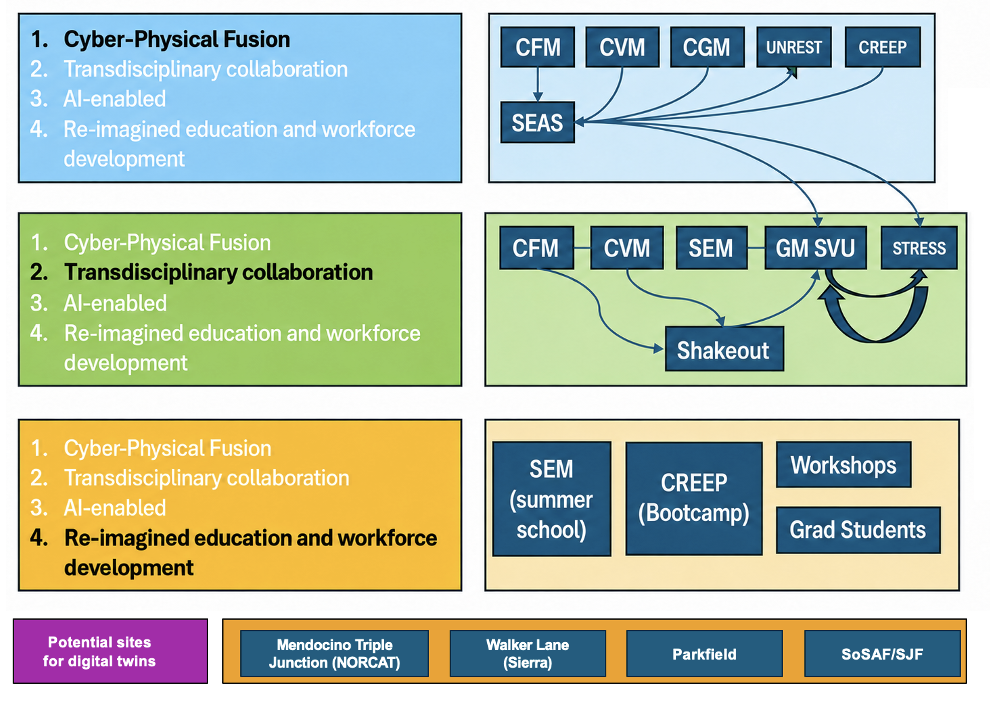
The Statewide California Earthquake Center’s first Technical Activity Group (TAG) portfolio brings together twelve community-driven activities whose emerging connections are creating new opportunities for integrated earthquake system science—and helping shape what comes next. LEARN MORE
|
|
|
|
|
SCEC2026: From Science to Society
|
|
This year’s Annual Meeting follows the full arc of SCEC science—from observations and models to hazard, resilience, and action—and asks where we go next as a community. See what’s ahead in Palm Springs and join the conversation about SCEC’s next directions. LEARN MORE
|
|
|
|
|
Connecting Geologic Records to Earthquake Models
|
|
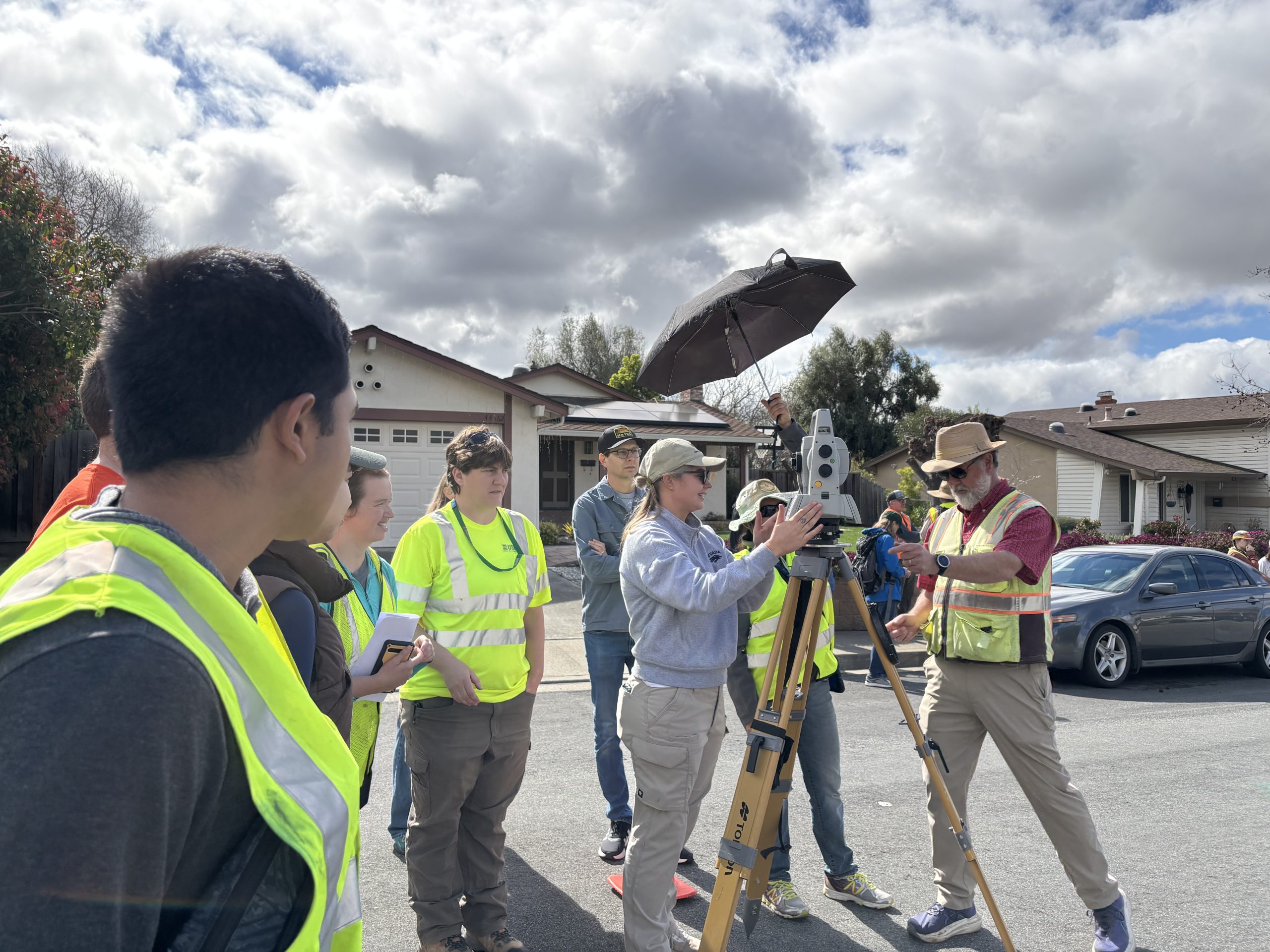
How can records of past earthquakes better inform earthquake models and seismic hazard? Geologists and modelers tackled that question at the 2026 SCEC UNREST Workshop, identifying priorities for data, model validation, cyberinfrastructure, and closer collaboration. LEARN MORE
|
|
|
|
|
Priorities for the Future of Fault Creep Monitoring
|
|
Decades of fault creep observations provide a valuable record—but how should monitoring evolve? The 2026 SCEC Fault Creep Workshop considered what comes next, with recommendations for sustaining measurements, incorporating new technologies, improving data access, and advancing fault science. LEARN MORE
|
|
|
|
|
What’s Next for Parkfield?
|
|
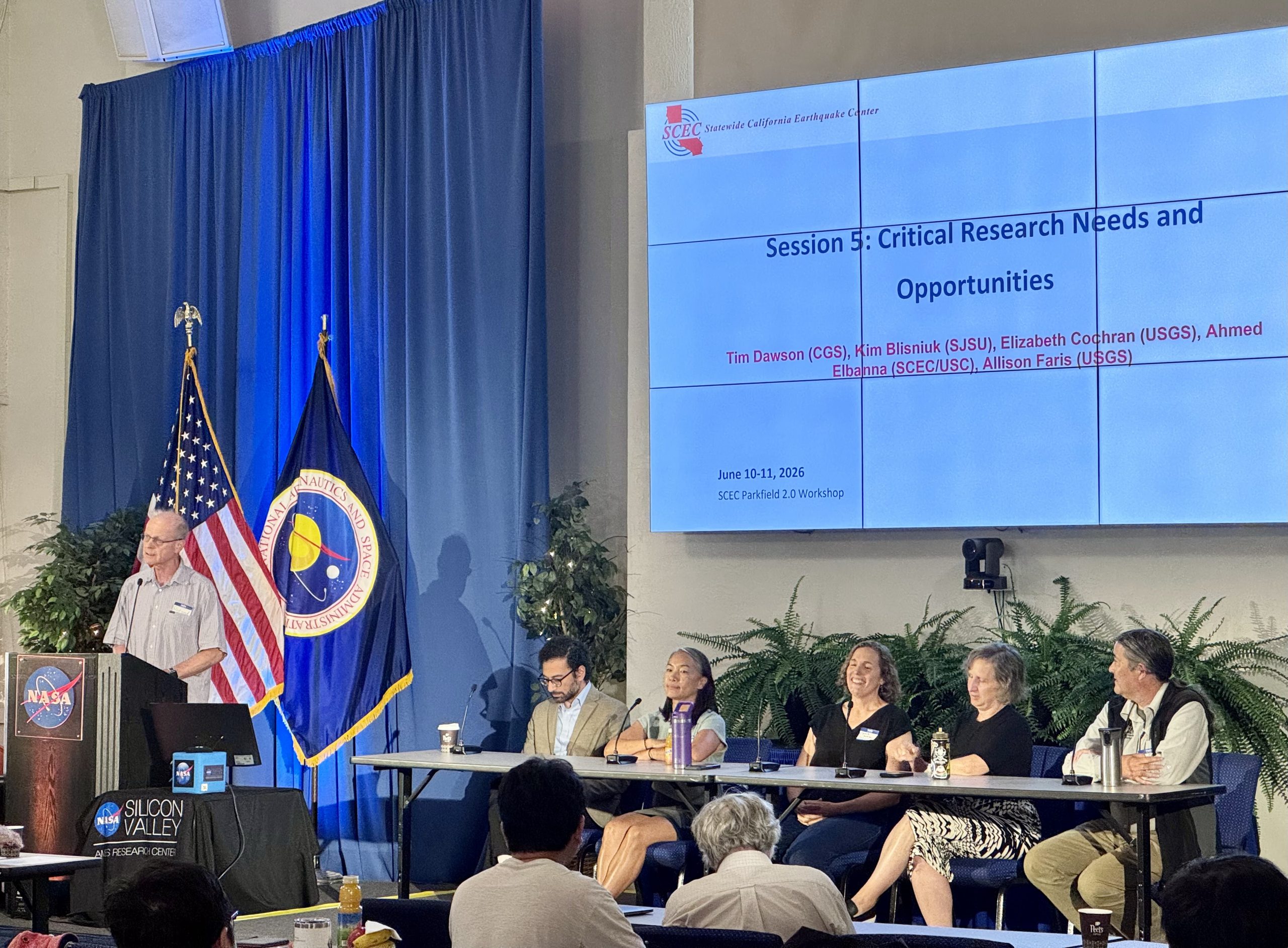
The 2026 SCEC Parkfield 2.0 Workshop took a fresh look at this unique natural laboratory and what will be needed for the future of earthquake science at Parkfield. Explore the community’s recommendations for modernizing the observatory, preparing for the next significant earthquake, and connecting observations, experiments, and models. LEARN MORE
|
|
|
|
|
Growing the Earthquake-Cycle Modeling Community
|
|
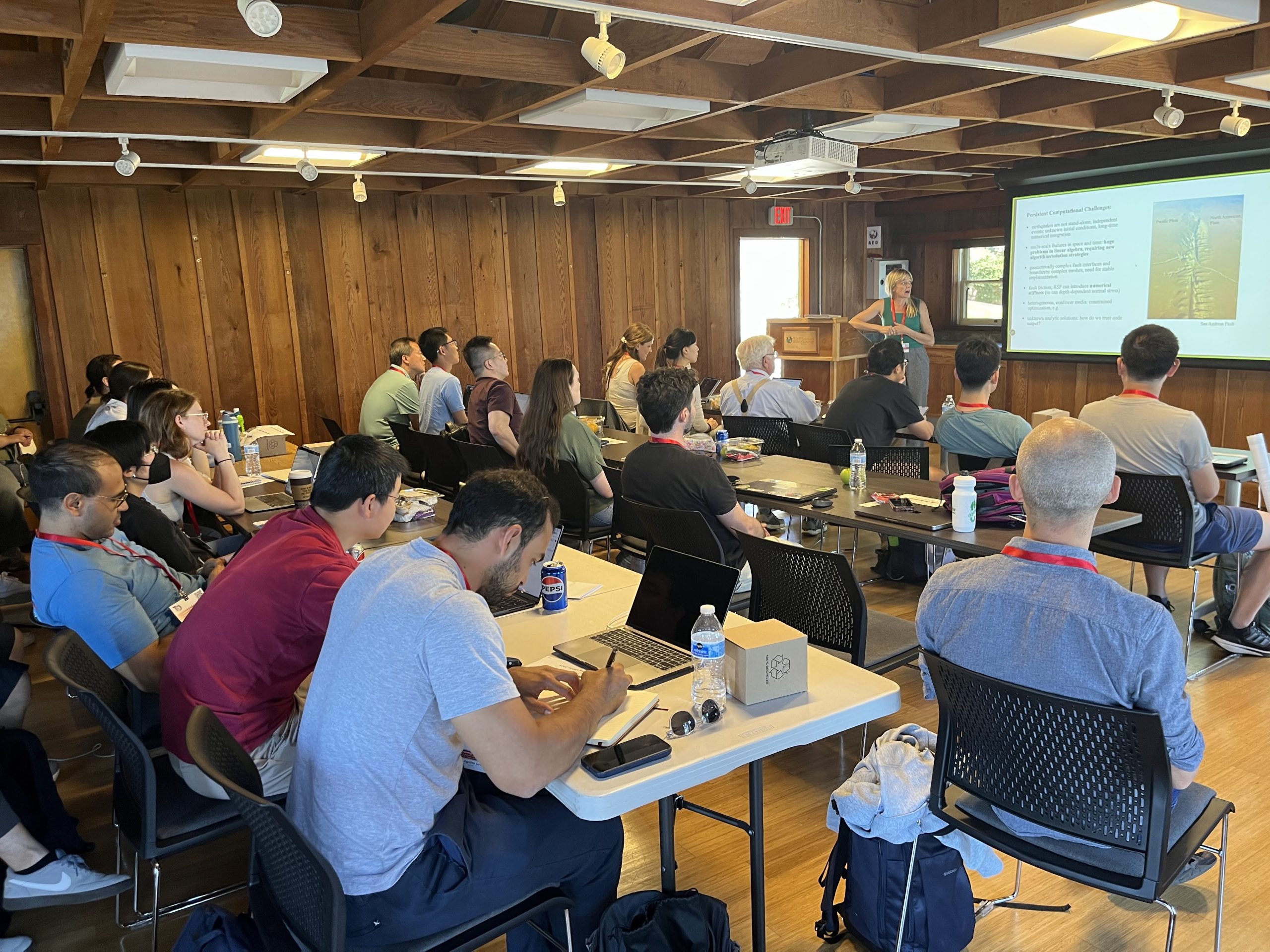
The 2026 SCEC Tandem Training Workshop brought together researchers from around the world for hands-on training in physics-based Sequences of Earthquakes and Aseismic Slip (SEAS) simulations. Participants built new skills and connections while exploring ways to expand training and collaboration across the SEAS modeling community. LEARN MORE
|
|
|
|
|
Advancing Ground Motion Simulations for Research and Engineering
|
|
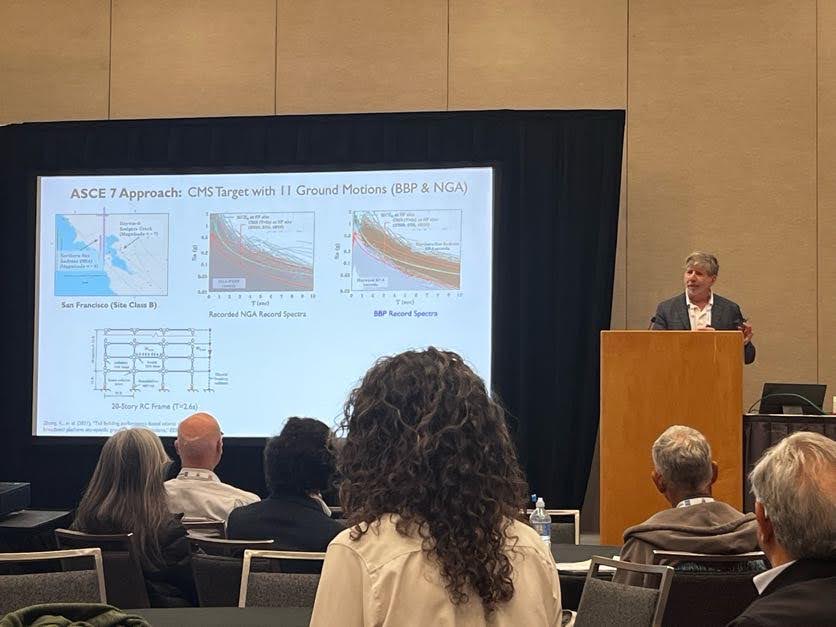
The 2026 SCEC/USGS GM-SVU Workshop brought researchers and engineering practitioners together to identify priorities for validating and using simulated ground motions. The workshop highlighted opportunities to strengthen simulation capabilities, validation frameworks, engineering guidance, and cross-community collaboration. LEARN MORE
|
|
|
|
|
Updating the ShakeOut Scenario
|
|
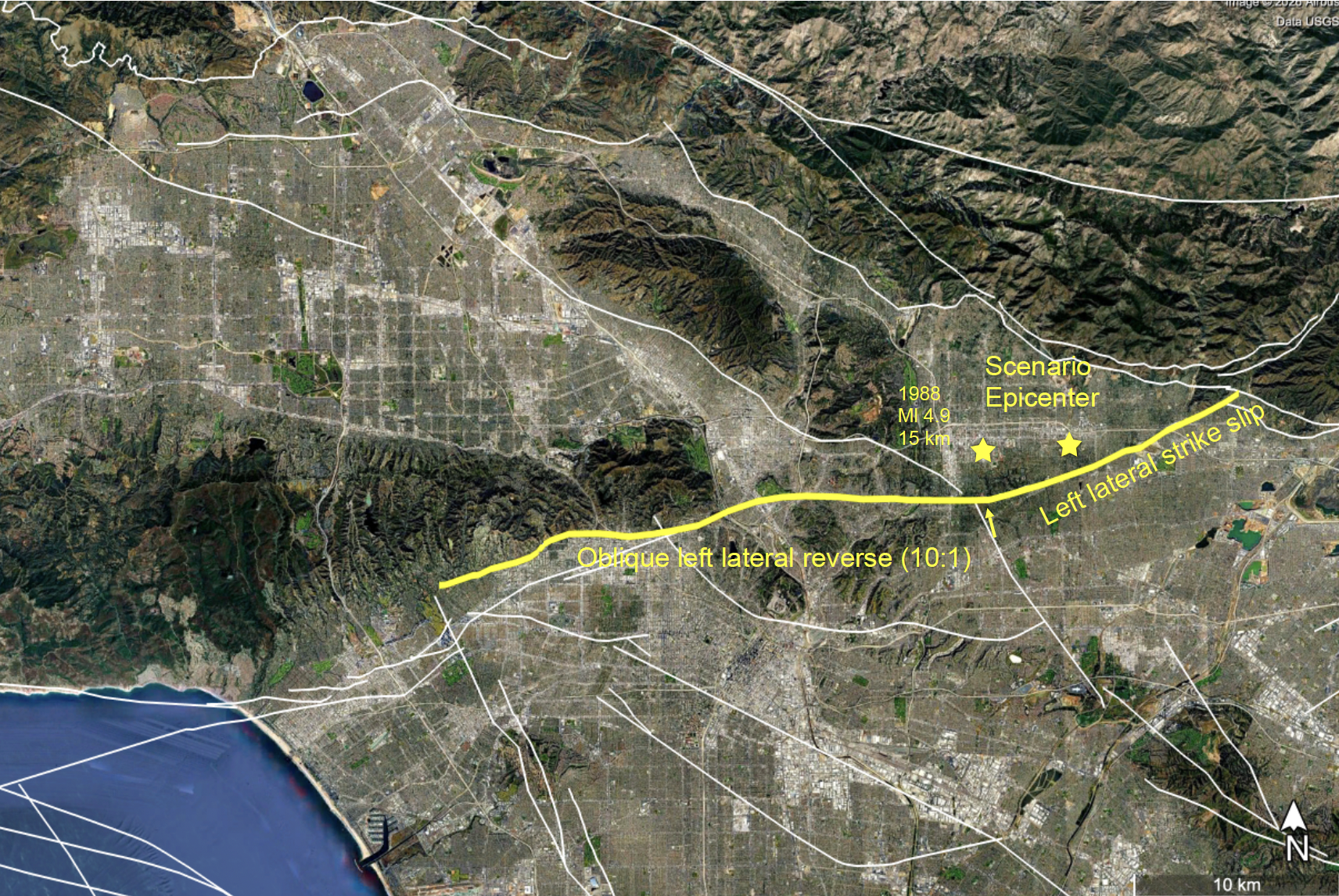
Nearly two decades after the original 2008 ShakeOut Scenario, earthquake science—and Southern California—have changed. The ShakeOut Scenario 2.0 Workshop will bring researchers, engineers, practitioners, and stakeholders together to assess progress and identify priorities for the next phase. Priority applications are due August 28 for the October 6–7 workshop at USC. APPLY NOW
|
|
|
|
|
Earthquake Risk in the Northern Walker Lane
|
|
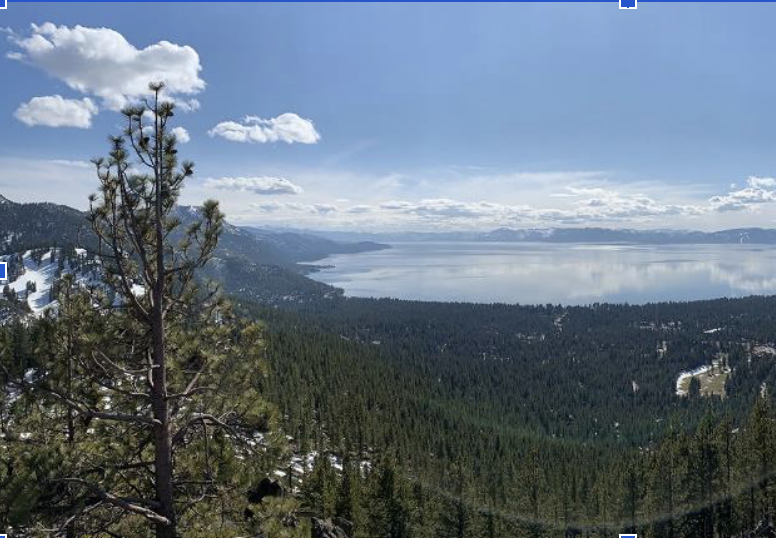
The inaugural SCEC SiERRa Workshop will bring together researchers and regional stakeholders to identify research priorities for earthquake hazard and infrastructure risk in the northern Walker Lane. Priority applications are due September 4 for the October 20–22 workshop at Lake Tahoe. APPLY NOW
|
|
|
|
|
|