Understanding Natural Recurrence of Earthquakes and Slip over Time: How Can Geologic Slip, Slip-Rate and Paleoseismic Data Advance Earthquake Models?
Date: June 1-3, 2026
Location: Hilton Garden Inn, Pismo Beach, CA
Workshop Organizers: Sally McGill (CSUSB), Kim Blisniuk (SJSU), Michael Oskin (UC Davis), Scott Marshall (Appalachian State)
SCEC Award: 26054
The 2026 SCEC workshop on Understanding Natural Recurrence of Earthquakes and Slip over Time (UNREST) brought together earthquake geologists, seismic hazard modelers, geodesists, dynamic rupture modelers, and earthquake-cycle modelers to advance understanding of how geological observations can better constrain earthquake models and improve seismic hazard assessments. The workshop focused on fostering sustained collaboration between modelers and researchers who generate geologic records of fault slip, rupture extent, slip rates, and the timing and regularity of past earthquakes across California. Participants worked together to identify and prioritize the geological data needed to reduce uncertainties in seismic hazard models, improve validation of earthquake simulators, and better understand discrepancies between deformation models based on geologic observations and those derived from geodetic data. Through presentations, breakout discussions, and a field trip, the workshop developed a shared vision for integrating geological data with physics-based earthquake models, established priorities for future community datasets and cyberinfrastructure, and strengthened interdisciplinary collaborations that will support the next generation of earthquake science.
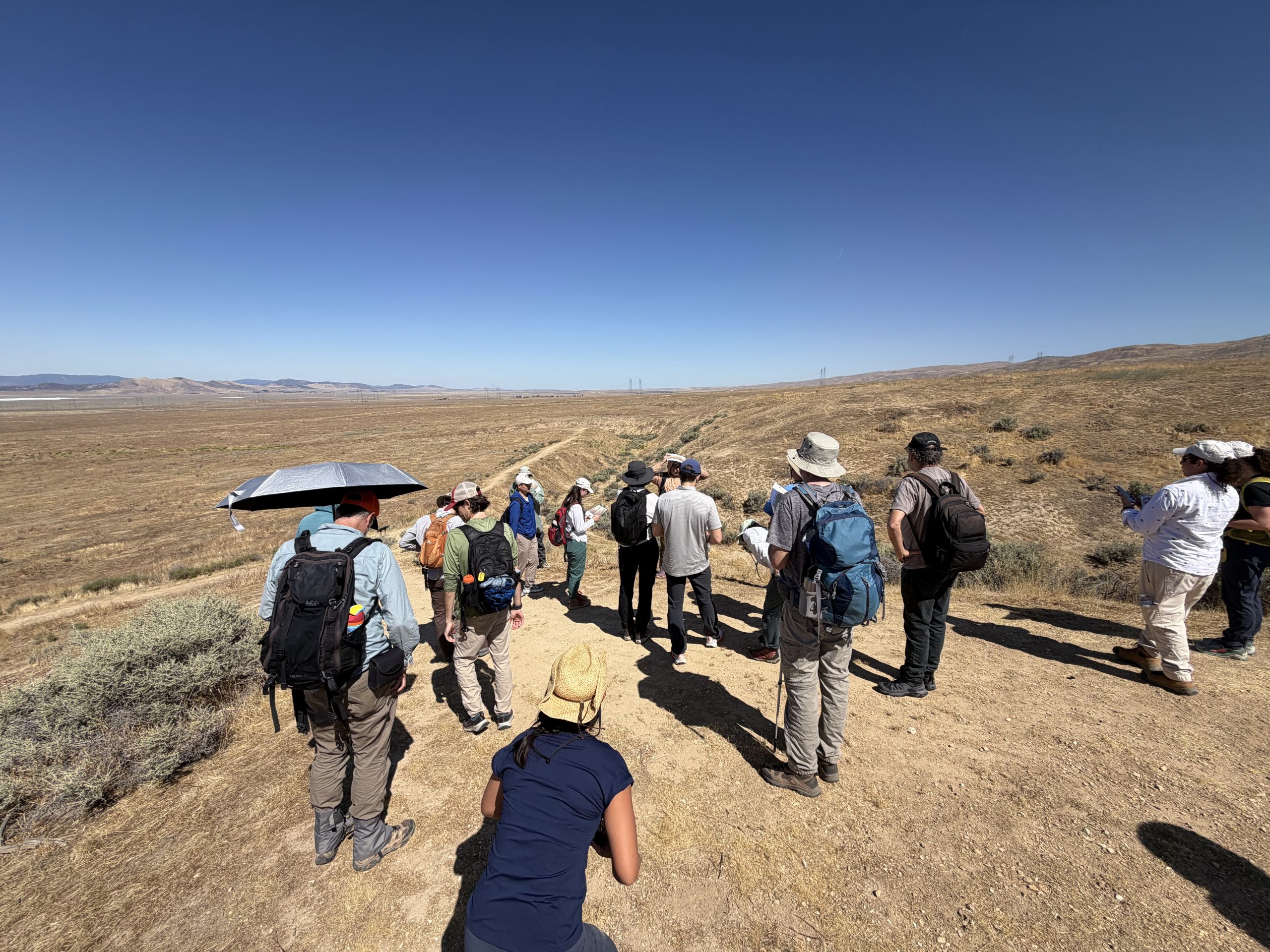
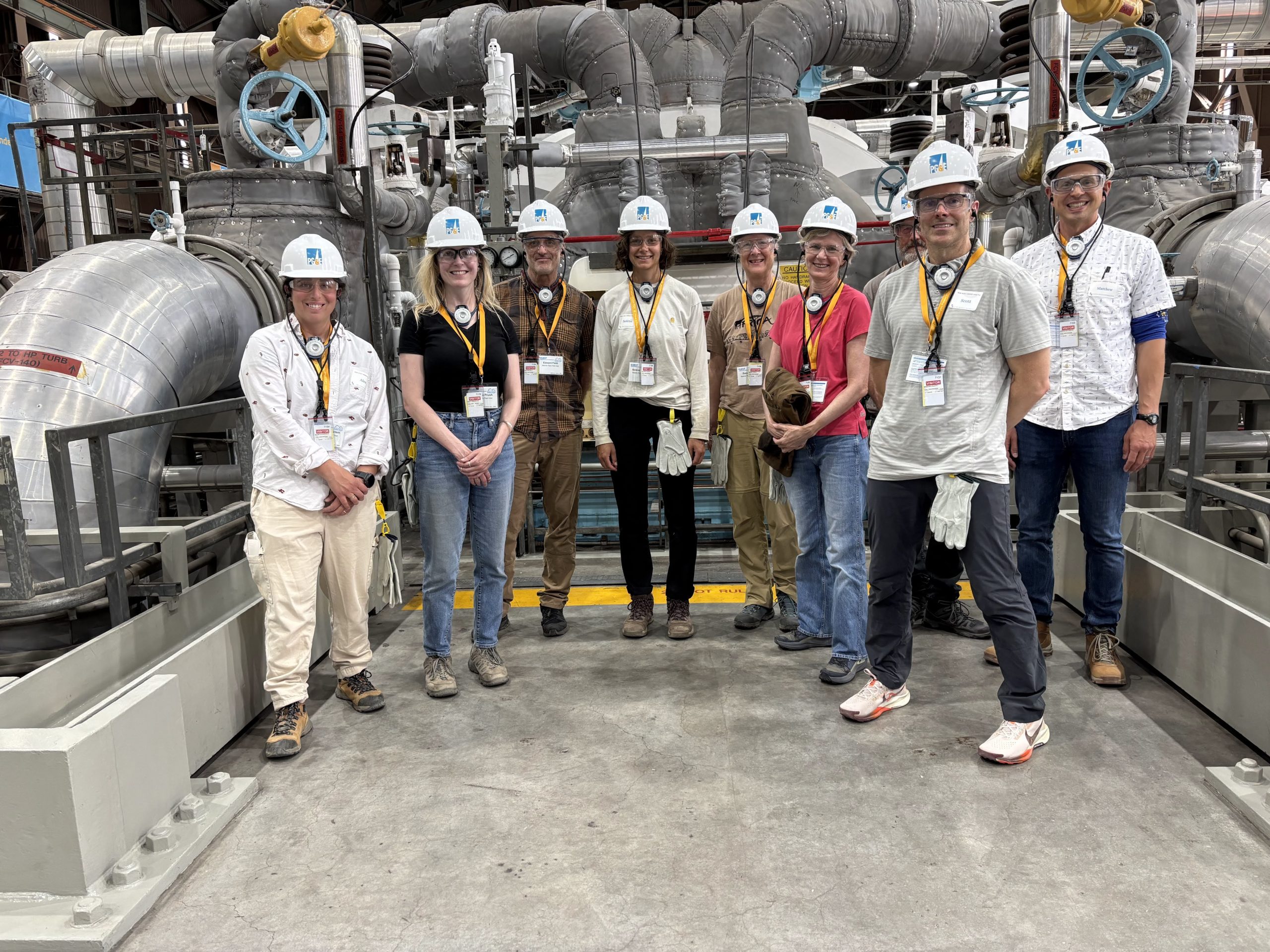
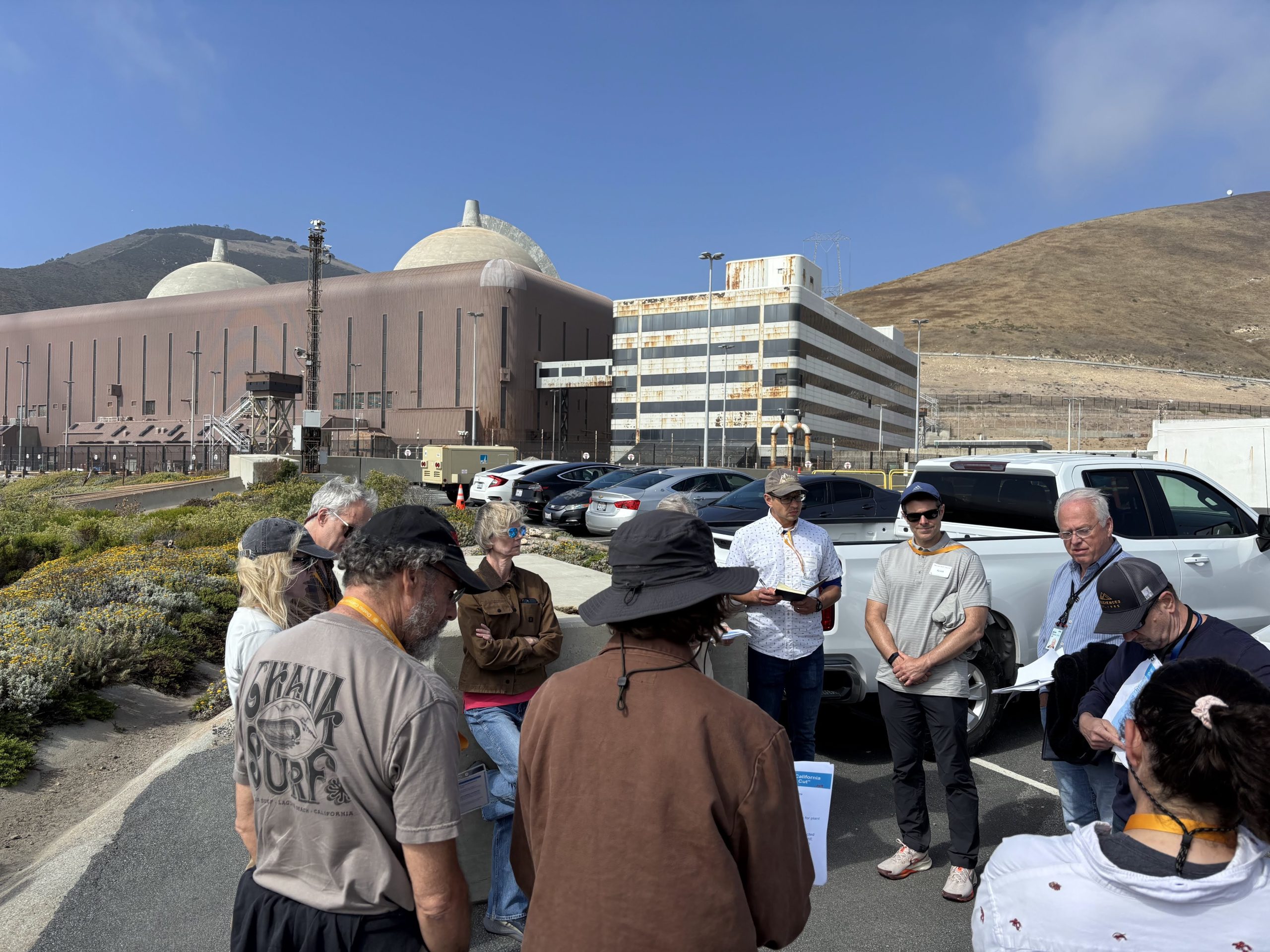
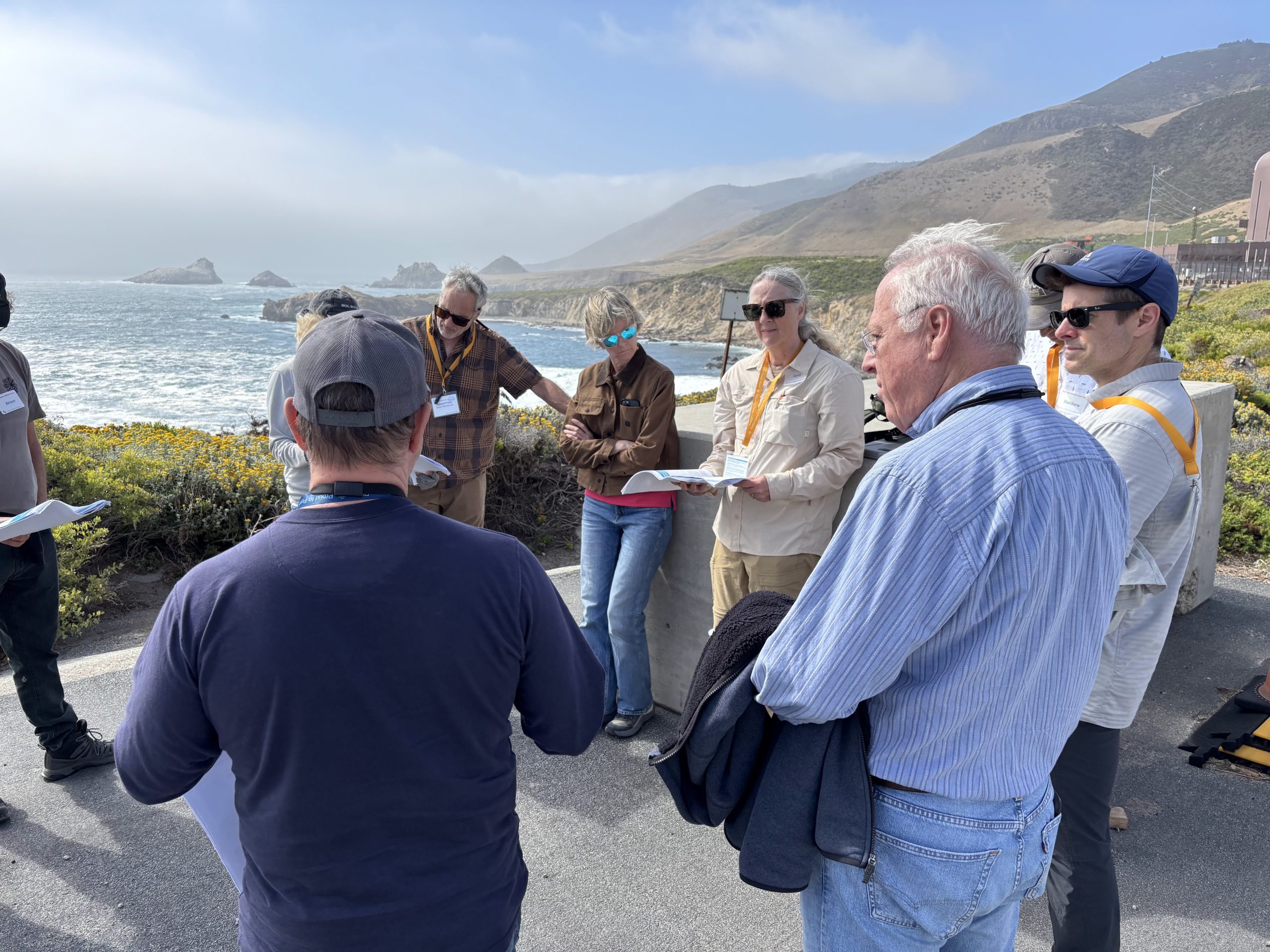
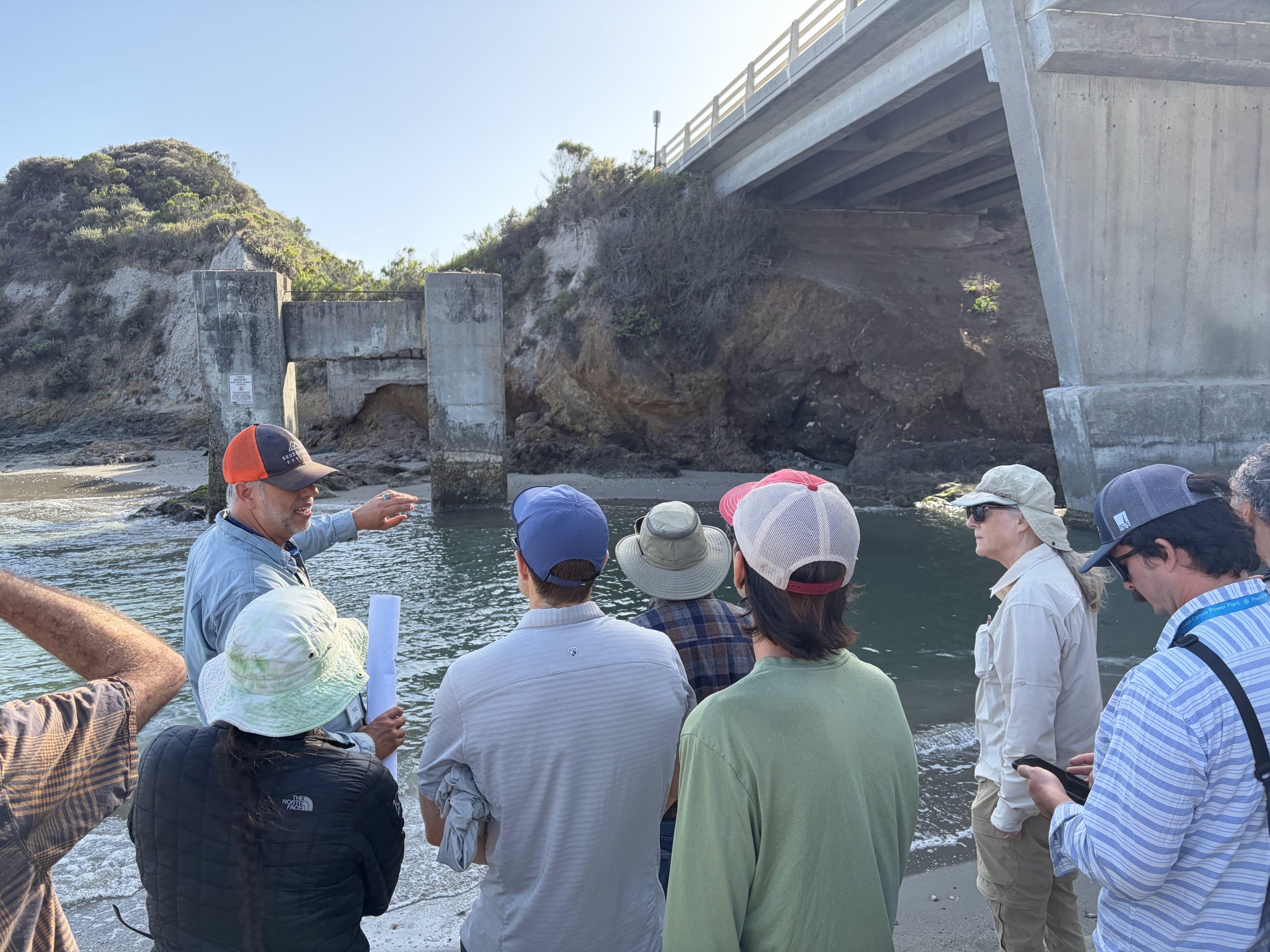
The UNREST workshop brought together 37 participants from academia, government, and industry to understand how geological observations can better constrain earthquake models and improve seismic hazard assessments. Key outcomes included a shared vision for the UNREST Digital Twin, priorities for future geological datasets and cyberinfrastructure, and new interdisciplinary collaborations. SEE PHOTOS
The workshop produced several important scientific and community outcomes that will guide future UNREST activities. Highlights are summarized below, with additional detail available in the workshop report.
McGill, S. F., Blisniuk, K. D., Oskin, M. E., & Marshall, S. T. (2026). 2026 UNREST Workshop Report: Statewide California Earthquake Center. SCEC Contribution 15209
All times are Pacific Daylight Time (UTC-7).
| Time | Agenda Item | Speaker | |
|---|---|---|---|
| 17:00 - 20:00 | Arrival and check-in for those going on optional June 1 field trip | ||
| Time | Agenda Item |
|---|---|
| 07:30 - 07:40 | Field trip check-in |
| 07:40 - 17:00 | Field trip to Diablo Canyon Power Plant and San Simeon fault, led by Kim Blisniuk and Mike Oskin |
| 17:00 - 20:00 | Arrival and check-in for those attending June 2-3 workshop only |
Presentation materials may be viewed by clicking the links below. PLEASE NOTE: Files are the author’s property. They may contain unpublished or preliminary information and should only be used for reviewing the talk. Only the presentations for which SCEC has received permission to post publicly are included below.
| Time | Agenda Item | Presenter |
|---|---|---|
| 08:00 - 08:15 | Introduction: overview of the workshop goals and agenda (PDF) | Mike Oskin |
| Session 1: Geologic data needed for improvement of time independent seismic hazard models | Mike Oskin | |
| 08:15 - 08:30 | Utilization of Earthquake Geology Constraints in the USGS NSHM (PDF) | Ned Field |
| 08:30 - 08:45 | Development of Earthquake Geology Constraints for the USGS NSHM | Alex Hatem |
| 08:45 - 09:00 | Do earthquake ruptures propagate through the creeping section of the San Andreas Fault? Evidence from geology | Belle Philibosian |
| 09:00 - 09:10 | Missed events and over-interpretation in paleoseismic records: implications for recurrence intervals | Devin McPhillips |
| 09:10 - 09:15 | Quantifying Fault Offset Uncertainty from Displaced Landforms: Case Studies from Western North America | Veronica Prush |
| 09:15 - 10:00 | Large‑group discussion | Mike Oskin |
| 10:00 - 10:15 | Break | |
| Session 2: Geologic data needed for validation of earthquake catalog simulators and time-dependent seismic hazard models | Kim Blisniuk | |
| 10:15 - 10:30 | Earthquake simulators and geological data constraints: current uses and opportunities for further valuable inputs | Bruce Shaw |
| 10:30 - 10:45 | Complex earthquake-cycle behavior revealed by distributions of paleoseismic inter-event times (PDF) | Mike Oskin |
| 10:45 - 11:00 | On the behavior of faults and fault systems: Geological insights into patterns and controls on earthquake occurrence in time and space | James Dolan |
| 11:00 - 11:10 | Fault-segmentation and the need for improved geologic and modeling constraints on multi-fault ruptures in seismic hazard models | Kevin Milner |
| 11:10 - 11:15 | Paleoseismic event correlation with integer linear programming (PDF) | Erik Perkins |
| 11:15 - 11:20 | Episodic deformation in Santa Maria Basin | Nate Onderdonk |
| 11:15 - 12:00 | Large group discussion | Kim Blisniuk |
| 12:00 - 13:00 | Lunch at the hotel (hosted by SCEC) | |
| Session 3: Geologic data needed for comparison to geodetic and/or mechanical deformation models | Scott Marshall | |
| 13:00 - 13:15 | Geodetically-derived deformation: where does all the strain rate go? | Kaj Johnson |
| 13:15 - 13:25 | Inferring geodetic slip rates with seismic-cycle models: The role of paleoseismic data (PDF) | Liz Hearn |
| 13:25 - 13:35 | Why we need a slip-rate database and more than one rate per fault (PDF) | Scott Marshall |
| 13:35 - 13:45 | Estimating evolving shear tractions on the southern San Andreas fault system based on the paleoseismic record (PDF) | Grasshopper (Emery) Anderson-Merritt |
| 13:45 - 14:30 | Large group discussion | Scott Marshall |
| 14:30 - 14:45 | Break | |
| Session 4: Setting priorities for the UNREST community effort (Part 1) | ||
| 14:45 - 15:15 | UNREST Proposal: Towards a Digital Twin Fault System (PDF) | Mike Oskin |
| 15:15 - 15:45 | General discussion | |
| 15:45 - 17:00 | Small‑group breakout discussions (assigned groups) | |
| Group A: Geologic data needed for improvement of time independent seismic hazard models | Sally McGill | |
| Group B: Geologic data needed for validation of earthquake catalog simulators and time-dependent seismic hazard models | Kim Blisniuk | |
| Group C: Geologic data needed for comparison to geodetic and mechanical models | Scott Marshall | |
| Group D: Geologic data needed for validation of dynamic rupture models and multi-cycle earthquake models | Mike Oskin |
| Time | Agenda Item | Presenter/Moderator |
|---|---|---|
| 08:00 - 08:15 | Introduction to Day 2 | Scott Marshall |
| Session 5: Geologic data needed for validation of dynamic rupture models and multi-cycle earthquake models | Scott Marshall | |
| 08:15 - 08:30 | An earthquake modeler’s wish list: geologic constraints for ensemble dynamic rupture and earthquake-cycle models | Alice Gabriel |
| 08:30 - 08:45 | Earthquake sequence synchronization and alternation driven by quasistatic elastic interactions across faults (PDF) | Alba Rodriguez Padilla |
| 08:45 - 08:55 | The past 1100-1200 years of earthquake ruptures on the southern San Andreas fault system (PDF) | Tom Rockwell |
| 08:55 - 09:05 | Building Dynamic Rupture Simulations from the Geologic Data Up | Julian Lozos |
| 09:05 - 09:15 | Use of SAF-SJF paleoseismic data in multicycle earthquake models | Kate Scharer |
| 09:15 - 09:20 | Dynamic rupture modeling of the Newport Inglewood fault: explaining complex rupture paths (PDF) | David Oglesby |
| 09:20 - 09:25 | Splay faulting as a potential indicator of rupture direction | Nadine Reitman |
| 09:25 - 09:30 | 3D frictional-viscous earthquake-cycle modelling of the Cascadia subduction zone | Zhang Wenqiang |
| 09:30 - 10:15 | Large Group Discussion | Scott Marshall |
| 10:00 - 10:30 | Break | |
| Session 6: Setting priorities for the UNREST community effort (Part 2) | ||
| 10:30 - 11:45 | Small-group break-out sessions (sign up for the group of your choice) | Kim Blisniuk |
| Group A: Geologic data needed for improvement of time independent seismic hazard models | Sally McGill | |
| Group B: Geologic data needed for validation of earthquake catalog simulators and time-dependent seismic hazard models | Kim Blisniuk | |
| Group C: Geologic data needed for comparison to geodetic and mechanical models | Scott Marshall | |
| Group D: Geologic data needed for validation of dynamic rupture models and multi-cycle earthquake models | Mike Oskin | |
| 11:45 - 13:00 | LUNCH in breakout groups at the hotel (hosted by SCEC) | |
| Session 7: Building and sustaining the UNREST community | Mike Oskin | |
| 13:00 - 13:15 | The Geologic Slip Rate Database (GSRD) the Community Fault Model (CFM) and Cyberinfrastructure for SCEC-hosted databases (PDF) | Scott Marshall |
| 13:15 - 13:30 | Building UNREST in a digital future | Kim Blisniuk |
| 13:30 - 14:00 | Large-group discussion | Mike Oskin |
| 14:00 - 14:20 | Summaries (up to 5 minutes each) from break-out groups A, B, C and D | |
| 14:20 - 15:00 | Large group discussion and concluding remarks | Mike Oskin |
The workshop also emphasized building the next generation of the UNREST community through broad participation across career stages. Approximately half of the participants were graduate students, postdoctoral researchers, or early-career faculty, creating opportunities for cross-generational exchange, mentoring, and the development of new interdisciplinary collaborations. Workshop participation was intentionally limited to foster active discussion and meaningful interaction among attendees.
| Last Name | First Name | Organization |
|---|---|---|
| Antoine | Solene | California Institute of Technology |
| Blisniuk | Kim | San Jose State University |
| Field | Edward | U.S. Geological Survey |
| Hatem | Alex | U.S. Geological Survey |
| Hearn | Elizabeth | U.S. Geological Survey |
| Herman | Matthew | California State University, Bakersfield |
| Kindred Weigandt | Caje | University of Southern California |
| Madugo | Chris | Pacific Gas & Electric Company |
| Marshall | Scott | Appalachian State University |
| McGill | Sally | California State University, Bakersfield |
| McPhillips | Devin | U.S. Geological Survey |
| Milner | Kevin | U.S. Geological Survey |
| Oglesby | David | University of California, Riverside |
| Oskin | Michael | University of California, Davis |
| Perkins | Erik | University of California, Davis |
| Philibosian | Belle | U.S. Geological Survey |
| Pierce | Ian | U.S. Bureau of Reclamation |
| Prush | Veronica | New Mexico Tech |
| Reitman | Nadine | U.S. Geological Survey |
| Rockwell | Thomas | San Diego State University |
| Salinas | Matthew | University of Southern California |
| Seitz | Gordon | California Geological Survey |
| Shaw | Bruce | Columbia University |
| Walsh | Ashley | San Jose State University |
| Zhang | Wenqiang | Stanford University |
| Hasuka | Syunsuke (Sunny) | California State University, Bakersfield |
| Anderson-Merritt | Grasshopper (Emery) | University of Massachusetts Amherst |
| Gabriel | Alice | University of California, San Diego |
| Johnson | Kaj | Indiana University |
| Lozos | Julian | California State University, Northridge |
| Margolis | Adam | University of California, Riverside |
| Rodriguez Padilla | Alba | Utah State University |
| Scharer | Kate | U.S. Geological Survey |
| Dolan | James | University of Southern California |
| Arrowsmith | Ramon | Arizona State University |
| Terry | Dylan | California State University, Santa Barbara |
| Onderdonk | Nate | California State University, Long Beach |
Workshop participation was limited to 35 participants, selected through an application process to achieve a balanced representation of observational geoscientists and modelers across career stages while maximizing opportunities for discussion and collaboration.
The workshop registration fee was $135, which covered venue expenses, lunch, and coffee breaks during the workshop (June 2–3). Participation in the optional June 1 field trip required an additional $110 fee, which covered transportation, printed materials, lunch, and refreshments.
Travel support was available to help offset travel, lodging, and/or meal expenses associated with attending the workshop. Students, early-career researchers, and participants without institutional funding were especially encouraged to request support as part of the application process. In total, SCEC provided additional travel support to 20 workshop participants.
The Statewide California Earthquake Center (SCEC) fosters a diverse and inclusive community where everyone feels safe, productive, and welcome. We expect all participants in SCEC-supported events to uphold this commitment by adhering to the SCEC Activities Code of Conduct.
The SCEC Annual Meeting brings together 400-500 participants worldwide to share breakthroughs, assess progress, and chart a collaborative path for earthquake science. All of the Center activities are presented, analyzed, and woven into a set of priorities for SCEC to pursue in the future.